Ceramic Pad Heater (Flexible Ceramic Heater / Ceramic Mat Heater)
Ceramic Pad Heater (Flexible Ceramic Heater / Ceramic Mat Heater)
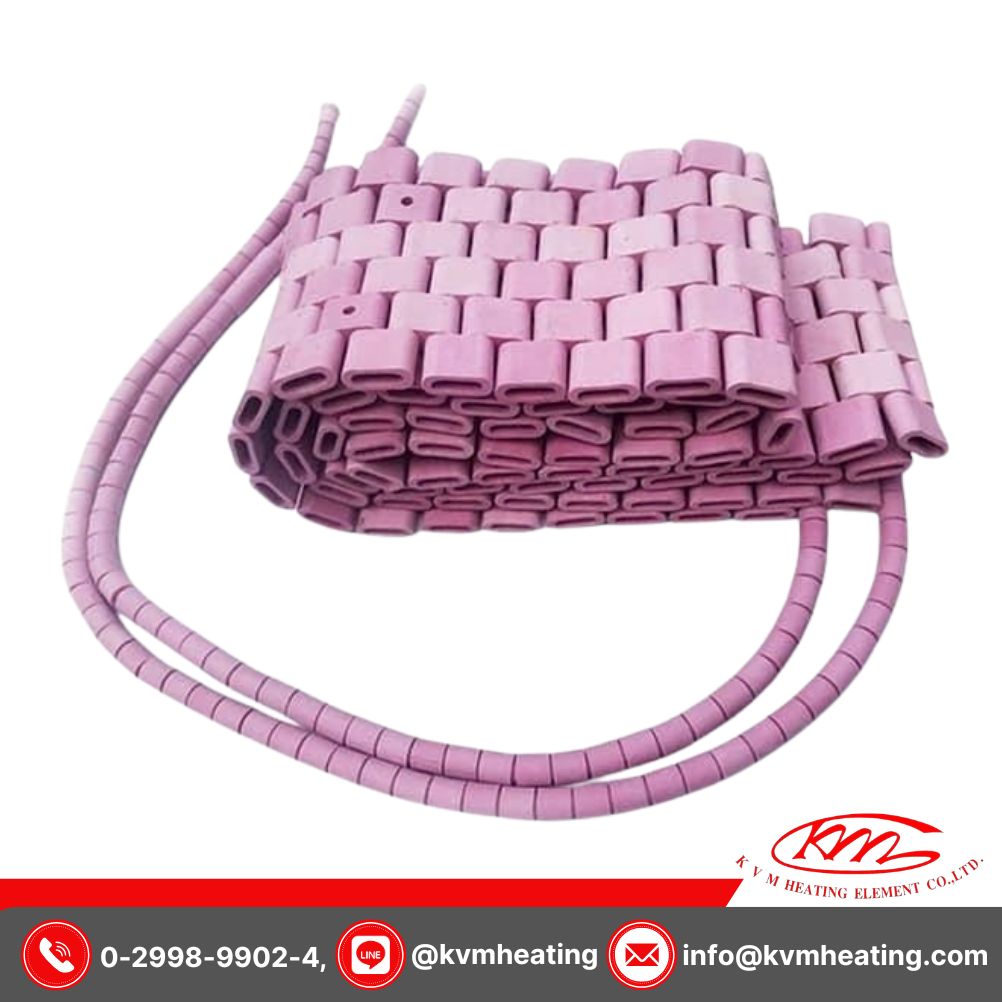
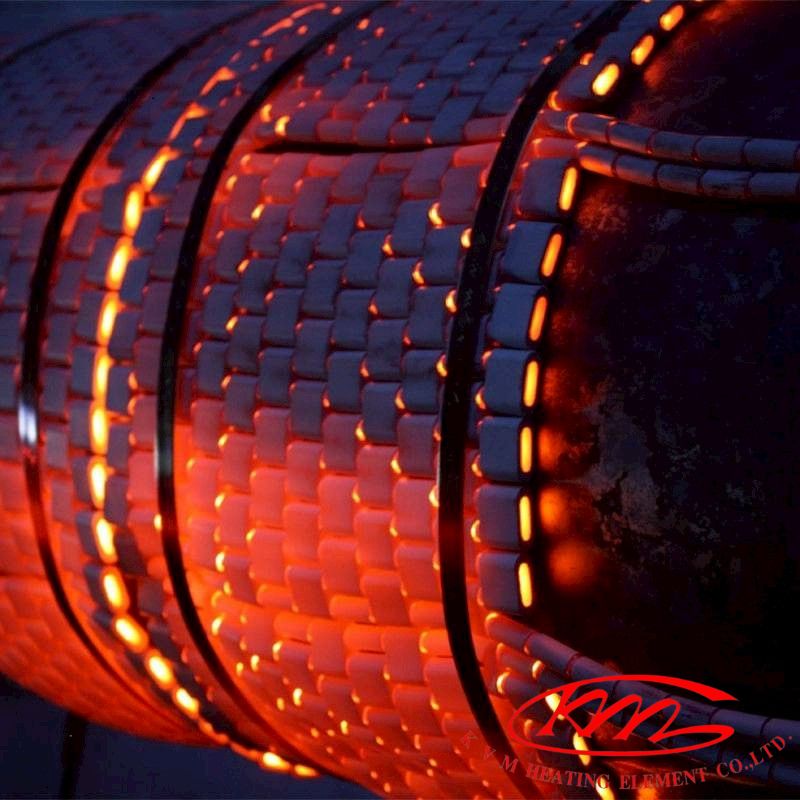
A ceramic pad heater is a flat heating element that generates heat from Nichrome resistance wire embedded within ceramic beads or ceramic plates. The assembly is insulated with fiberglass or ceramic fiber insulation, allowing it to deliver uniform heat distribution, withstand high temperatures, and remain flexible enough to wrap around pipes or workpieces.
Also known as a ceramic mat heater or flexible ceramic heater, it is a flexible industrial heating device commonly used in high-temperature applications such as preheating and post-weld heat treatment (PWHT).
Main Structure
- Resistance Wire – Generates heat as the primary heating element.
- Ceramic Beads/Plates – Ensure even heat distribution and high-temperature durability.
- Ceramic Fiber / Fiberglass Insulation – Minimizes heat loss and improves thermal efficiency.
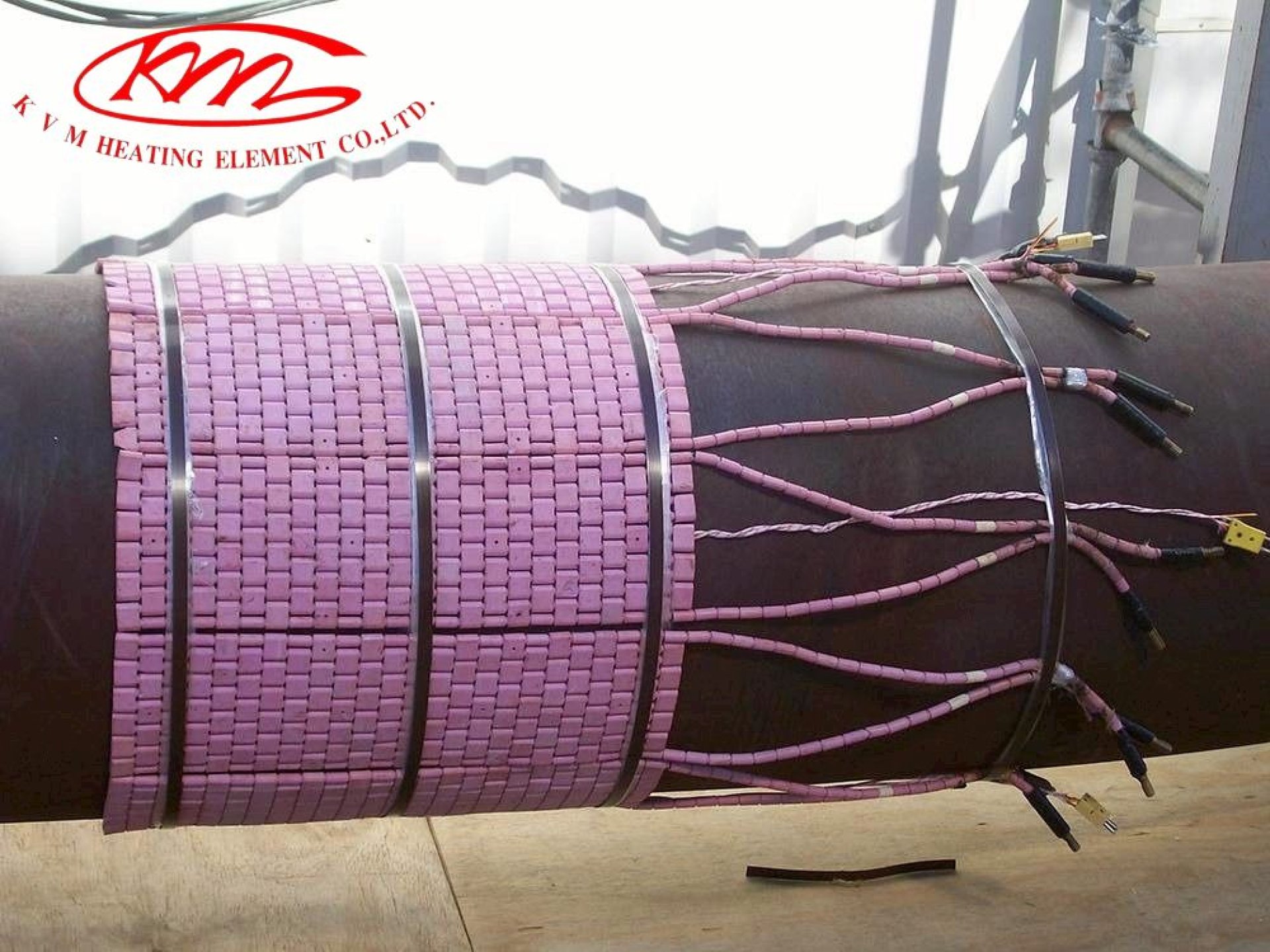
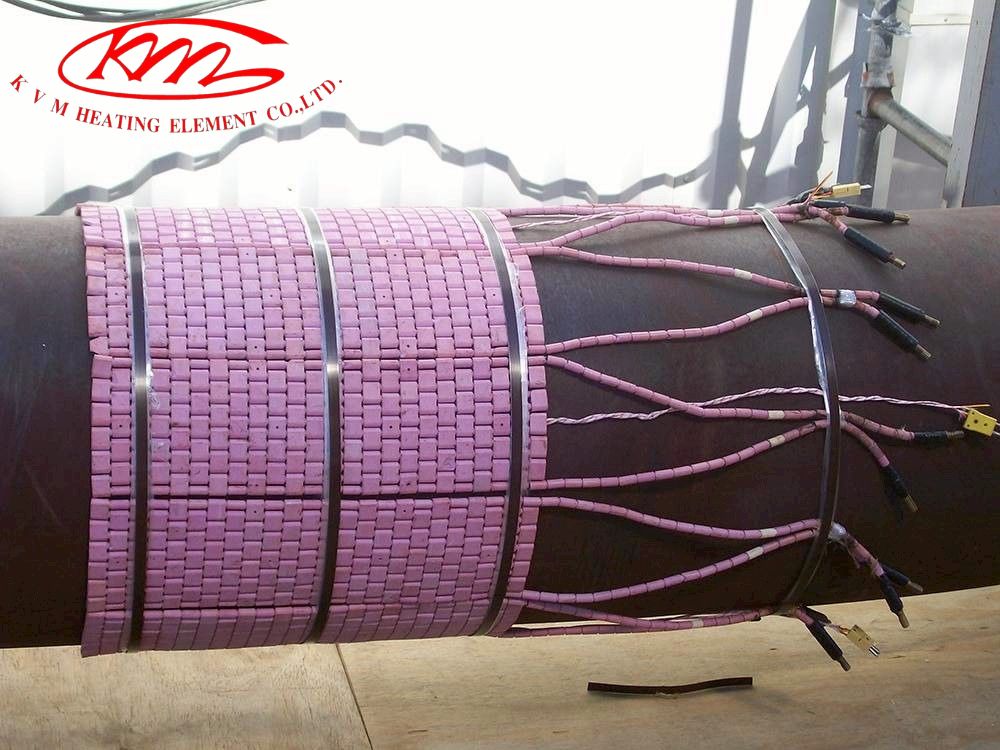
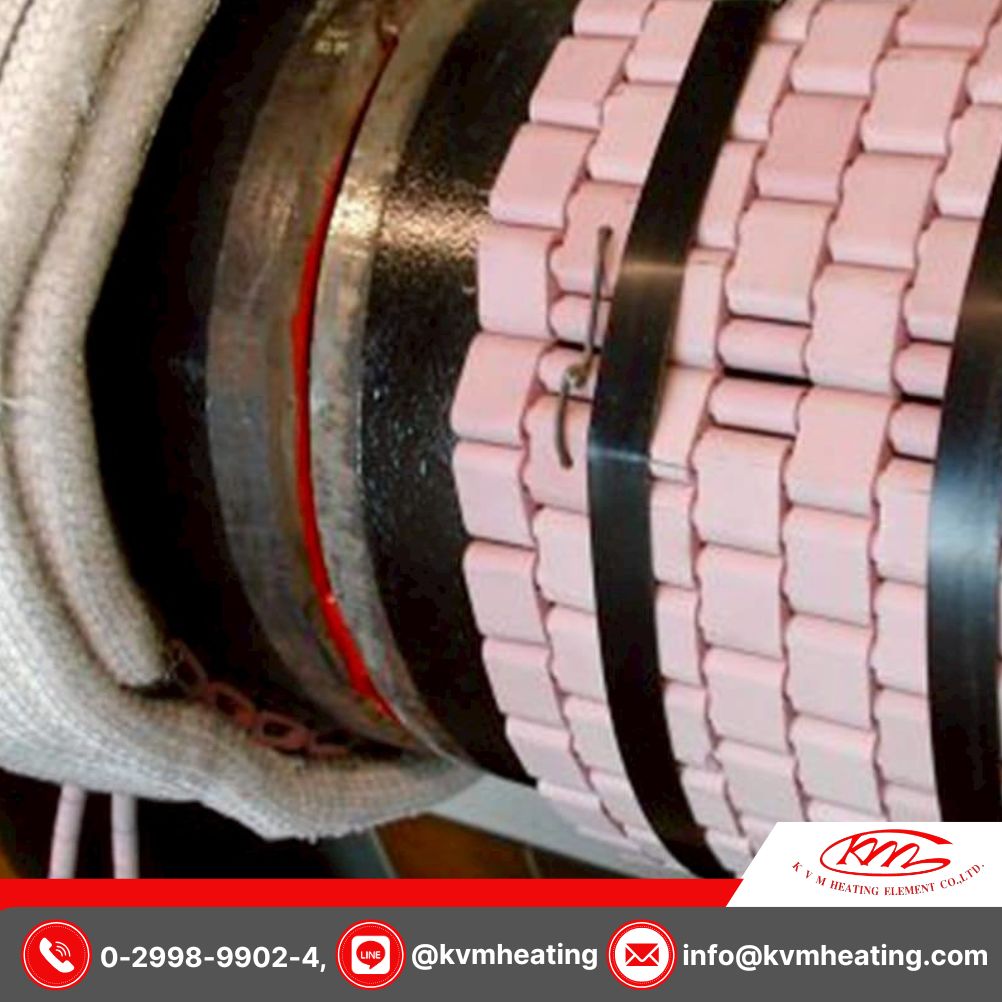
- Heat-Resistant Lead Wires with Clamps or Straps – Used to secure and wrap the heater around pipes or workpieces.
Typical Temperature Range and Specifications
- Operating Temperature: Up to 800–1000°C
Voltage: 110V / 220V / 380V - Power Rating: Customizable depending on size (e.g., 1 kW – 80 kW+)
- Standard Size: Width 50–300 mm / Length made to order
- Thickness: Approximately 20–25 mm
Types and Applications
Ceramic pad heaters are primarily designed for industrial applications that require precise temperature control and uniform heat distribution.
- Flexible Ceramic Pad (FCP) Heaters: The most common type. They consist of interlocking alumina ceramic beads threaded with nickel-chromium (Nichrome) wire, providing high flexibility. They can be wrapped around curved surfaces or placed on flat surfaces.
- Preheating (Preheat): Used to heat workpieces before welding to prevent thermal shock, cracking, and other heat-related stresses.
- Post-Weld Heat Treatment (PWHT): Applied after welding to reduce residual stresses in the weld area and improve material properties.
- Other Applications: Include drying processes, controlled expansion of components for assembly, and various thermal processing operations in manufacturing.
Common Industries:
- Petrochemical industry
- Oil refineries
- High-pressure steel structure fabrication
Key Features
These heaters are well known for their durability and efficient heat transfer performance.
- Flexibility: Can conform to various shapes and sizes of workpieces, making them highly versatile for different applications.
- High Temperature Capability: Able to operate at temperatures up to 1000 °C (1850 °F) or higher, depending on the design.
- Durability: Sintered alumina ceramic construction provides excellent resistance to thermal shock, mechanical stress, and wear.
- Uniform Heat Distribution: The ceramic structure ensures even heat dispersion across the entire surface, preventing hot spots and cold spots.
- Safety: Offers excellent electrical insulation with no exposed heating wires, reducing the risk of short circuits in industrial environments.
- Replaceable Sections: Damaged segments can be replaced individually, minimizing maintenance costs and downtime.
- Long Service Life: Designed for extended operation under demanding industrial conditions.
Recommended Products
Industrial ceramic pad heaters are typically specified and selected based on their voltage rating and power capacity (kW), ensuring suitability for the required temperature range and application.
They are available in various configurations and can be customized in size, voltage (e.g., 110V, 220V, 380V), and power output to meet specific industrial heating requirements such as preheating, PWHT, drying, and other high-temperature processes.
Precautions
- External Insulation Required: Always cover the heater with an external insulation layer, such as a ceramic fiber blanket, to improve heat retention and ensure stable temperature control.
- Proper Surface Contact: Never operate the heater without firm contact with the workpiece surface, as this may cause overheating and damage to the heating element.
- Moisture Avoidance: Keep the heater dry and avoid exposure to moisture to prevent electrical faults and insulation deterioration.
- Controlled Ramp Up / Ramp Down: The heating and cooling rates must be controlled according to PWHT standards to prevent thermal stress, material distortion, or cracking.